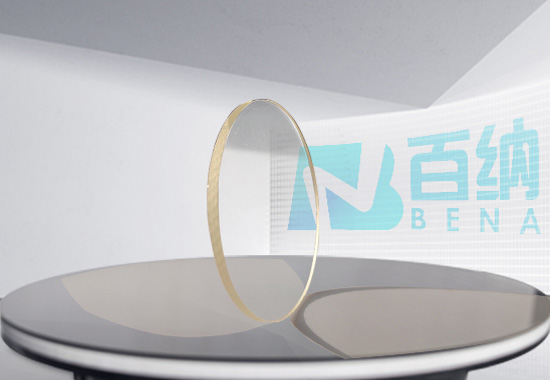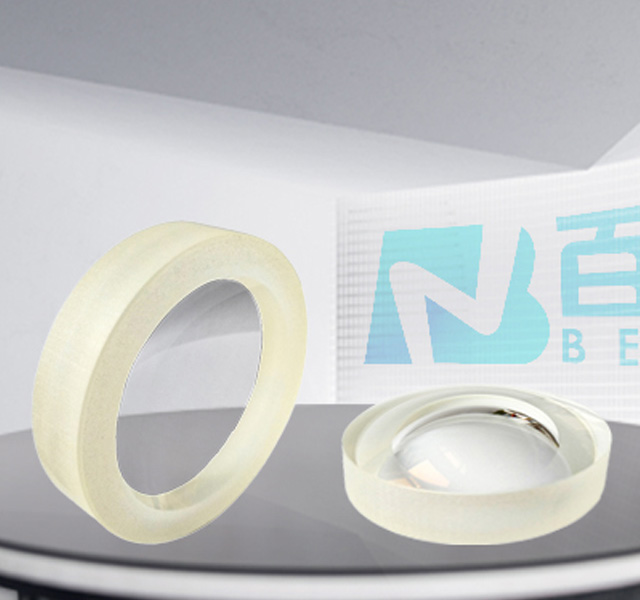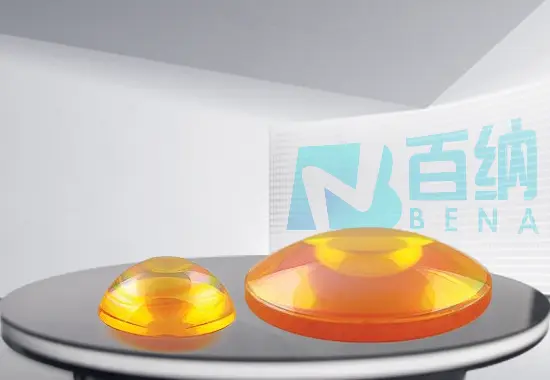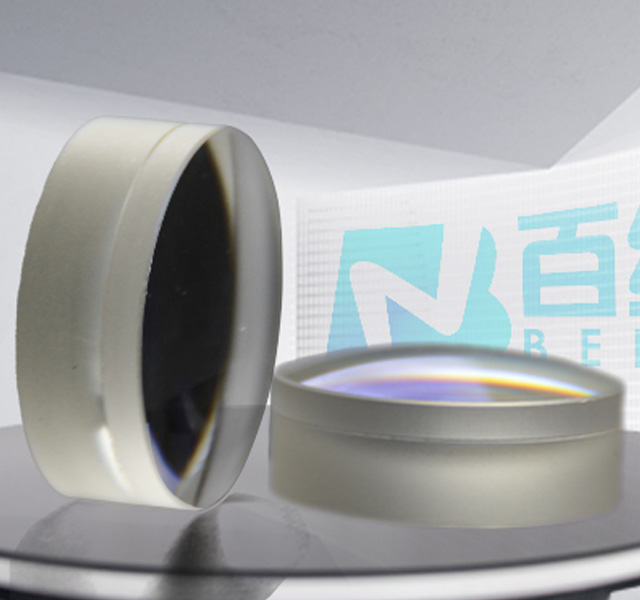
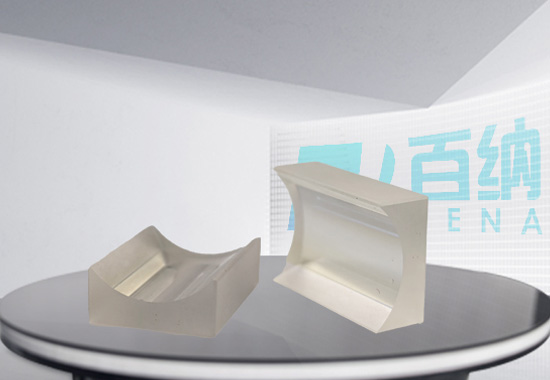
A plano-concave cylindrical lens has curvature in the vertical direction, functioning as a concave lens (also referred to as a cylindrical concave lens), while having no curvature in the horizontal direction.
It is used to magnify a beam in a single direction, such as transforming a laser beam into a line or sheet of light, or altering the height of an image without changing its width. When combined with a plano-convex cylindrical lens, it can be used to shape the elliptical beam of a semiconductor laser into a circular one, among other applications.
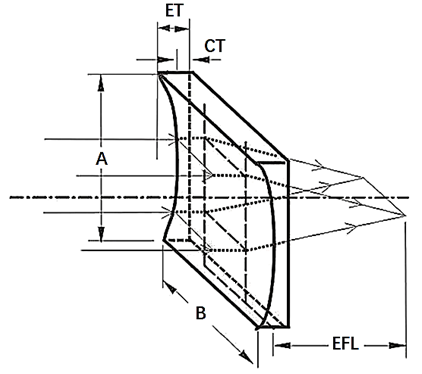
The plano-concave cylindrical lens forms a diverging line-shaped virtual image and is primarily used to control the size of a beam in one direction. This lens consists of a flat surface and a concave cylindrical surface, with a negative focal length. Light passing through the axial meridian does not experience a change in convergence, but light passing through the refractive meridian does experience a change in convergence. In optical systems, this type of concave cylindrical lens is widely used for beam control.
Specifications | Commercial spec. | High precision spec. |
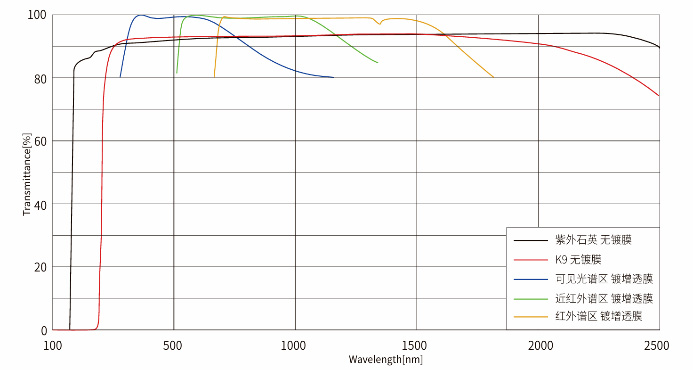
Material | UV glass (quartz, fused silica) | |
VIS glass (Schott, CDGM, HOYA, etc.) | ||
Dimension | 5mm~350mm | |
Dimension tolerance | ±0.1mm | ±0.05mm |
Focal length tolerance | ±2% | ±1% |
Surface quality | 60/40 | 40/20 |
Centration | < 3 arc min | <1arc min |
Surface figure | 3λ | 2λ |
Surface irregularity | 1/4λ | 1/10λ |
Clear aperture | >85% of dim | >90% of dim |
Bevel | <0.2mm x 45deg | <0.1mm x 45deg |
Coating | Up on clients’ request | |
Type No. | Diameter | Focal length | Edge thickness | Center thickness | Back focal length | Radius of curvature |
A*B( mm) | f( mm) | Te( mm) | Tc( mm) | fb( mm) | r( mm) | |
PCCC-10R10-15 | 10×10 | -15 | 2.2 | 5.0 | -16.4 | 7.79 |
PCCC-15R15-20 | 15×15 | -20 | 4.0 | 1.8 | -21.2 | 10.38 |
PCCC-15R25-40 | 15×25 | -40 | 4.0 | 2.6 | -41.7 | 20.76 |
PCCC-20R20-25 | 20×20 | -25 | 7.0 | 2.3 | -26.5 | 12.98 |
PCCC-20R30-100 | 20×30 | -100 | 4.0 | 3.0 | -102.0 | 51.90 |
PCCC-20R40-25 | 20×40 | -25 | 7.0 | 2.3 | -26.5 | 77.85 |
PCCC-30R30-50 | 30×30 | -50 | 7.0 | 2.2 | -51.5 | 25.95 |
PCCC-30R40-60 | 30×40 | -60 | 6.0 | 2.1 | -61.4 | 51.90 |
PCCC-30R50-200 | 30×50 | -200 | 5.0 | 3.9 | -202.6 | 103.80 |
Beam Shaping:
Plano-concave cylindrical lenses are often used to convert collimated laser beams into line beams. By orienting the curved surface of the lens towards the light source, spherical aberration can be minimized, thereby achieving beam shaping. This makes the cylindrical concave lens suitable for precise laser line generation..
Image Shaping:
A pair of plano-concave cylindrical lenses can be used for image shaping, particularly when it is necessary to shape a point source in one-dimensional direction. In many optical setups, the concave cylinder lens is selected to achieve controlled one-axis image transformation.
Laser Scanning Systems:
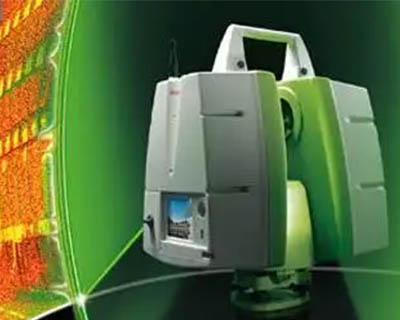
In laser scanning systems, plano-concave cylindrical lenses are used to adjust the beam shape to meet scanning requirements. They can also be combined with other optical elements to achieve complex beam shaping functions.
Spectral Analysis:
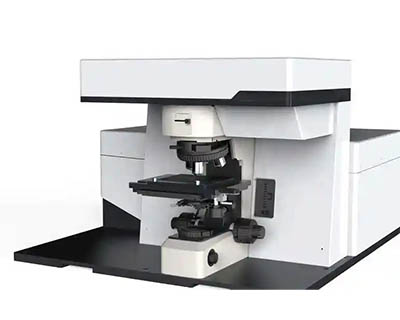
During spectral analysis, plano-concave cylindrical lenses are used to adjust the divergence or convergence angle of the beam to meet different measurement needs. The cylindrical concave lens is often preferred in high-precision measurement environments.
Beam Expander Applications:
When used in combination with plano-convex cylindrical lenses, plano-concave cylindrical lenses can be applied in beam expander systems to further expand the width and length of the beam. In such systems, the concave cylindrical lens plays an important role in beam divergence control.